
How to Know Which Boiler Setup Actually Suits Your Warrington Home
Choosing a new boiler is not simply a matter of picking the most powerful model. The right setup depends on how your home is laid out, how much hot water your household uses and what type of heating system is already in place.

Why you can trust our content
We understand that the boiler industry can be confusing, with plenty of outdated or misleading information. That’s why we rely only on trusted, proven sources to guide our advice and installations:


At a glance
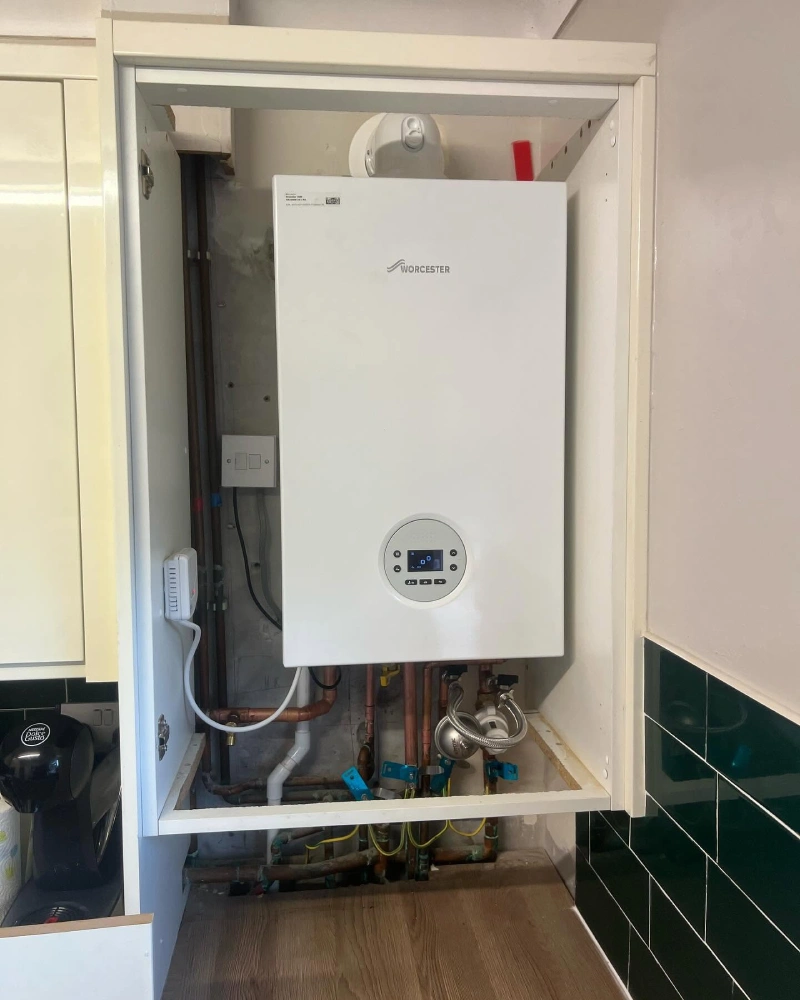
For homeowners considering boiler installation in Warrington, understanding those factors before comparing models can make the decision much easier. A well-matched boiler should provide reliable heating and hot water without being unnecessarily oversized, complicated or expensive to run.
What should you look at before choosing a boiler?
Start with the way your household actually uses heating and hot water. Two homes with the same number of bedrooms can still have very different heating and hot water needs.
Important points to consider include:
- Number of bedrooms and bathrooms
- Number of people living in the property
- Whether several taps or showers are often used at once
- Existing boiler and heating system type
- Available space for cylinders or tanks
- Water pressure and flow rate
- Plans for extensions, loft conversions or extra bathrooms
- Whether the current system already meets your needs
A qualified boiler fitter in Warrington should assess the property rather than recommending a boiler from basic information alone.
Combi, system or regular boiler: what is the practical difference?
The three main domestic boiler arrangements each suit different circumstances.
|
Boiler type |
How it works |
Often suited to |
|
Combi boiler |
Heats water directly from the mains without a separate hot water cylinder |
Smaller or medium-sized homes with moderate hot water demand |
|
System boiler |
Works with a separate hot water cylinder but normally does not require a loft tank |
Homes with higher hot water demand or more than one bathroom |
|
Regular boiler |
Uses a hot water cylinder and usually tanks in the loft |
Properties with traditional heating systems or specific existing requirements |
A combi is attractive because it saves space and provides hot water on demand. However, it is not automatically the best answer for every property. If several bathrooms are used at the same time, a stored hot water system may offer a more suitable solution.
Does a bigger boiler always mean better performance?
No. Boiler output needs to be matched to the property and the system it serves. Choosing an unnecessarily powerful boiler does not automatically improve comfort, while an undersized system may struggle to meet demand.
An installer will normally consider factors such as the size of the property, number of radiators, insulation levels and hot water requirements. For a combi boiler, the required hot water flow rate is also important because the boiler must heat water as it passes through the appliance.
This is why a proper survey should come before a final recommendation for boiler installation in Warrington. The aim is to size the system around the home.
Your existing heating system can influence the best choice
Replacing one boiler type with another can involve more than changing the appliance itself. Pipework, cylinders, controls, water pressure and the condition of the wider system can all affect what is practical.
For example, moving from a regular boiler to a combi may free up space, but the installer still needs to check whether the mains water supply can support it.
Likewise, a system boiler may be a sensible option where several people need hot water at similar times, but space will still be needed for the cylinder.
How important are water pressure and flow rate?
For combi boilers, they are particularly important. A combi takes its water directly from the mains, so its performance depends partly on the incoming supply.
Good pressure alone does not tell the whole story. Flow rate matters too. If the supply cannot deliver enough water, selecting a higher-output combi may not produce the improvement you expect.
A competent boiler fitter in Warrington should therefore check the property rather than basing the recommendation only on bedroom count or boiler brand.
Think about how your household may change
A boiler is a long-term household investment, so it is worth considering more than your current routine. If you expect to add a bathroom, extend the property or have more people living at home, tell the installer before the system is specified.
Future changes that may affect the recommendation include:
- Adding an en-suite
- Converting a loft
- Building an extension
- Replacing a bath with a high-flow shower
- Increasing the number of occupants
- Upgrading several radiators
This means making sure the chosen setup remains practical if the property’s demands are likely to change. It does not mean choosing an excessively powerful boiler simply to be safe.
What should a proper boiler survey include?
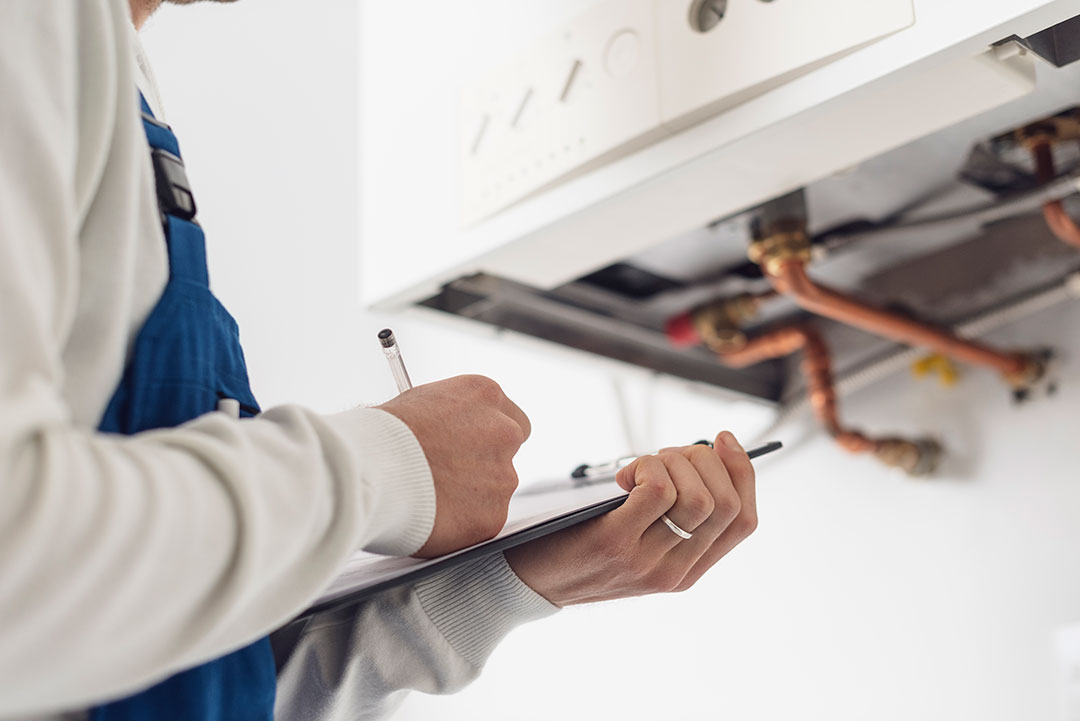
A useful survey should leave you understanding why a particular setup has been recommended. It should not feel like a product pitch.
The installer may review:
- Existing boiler type and location
- Heating controls
- Radiator quantity and condition
- Hot water demand
- Water pressure and flow
- Flue route and ventilation requirements
- Condensate drainage
- Gas supply where relevant
- Space for a cylinder if one is required
- Any system cleaning or protective measures recommended
For boiler installation in Warrington, homeowners should also expect the installer to explain any additional work that could affect the final quotation. This helps you compare the complete proposed installation rather than focusing on the boiler price alone.
A typical Warrington home example
Imagine a three-bedroom semi-detached home with one bathroom and a household of three. The existing boiler is old, but the family is generally happy with its hot water performance and does not regularly use several outlets at once.
A modern combi may be suitable if the incoming water supply is adequate and the heating demand has been calculated correctly. The same three-bedroom property with two bathrooms and simultaneous shower use could lead to a different recommendation, such as a system boiler with stored hot water.
The property size is only one part of the decision. How the household uses the system is just as important.
Let’s get started, Which fuel powers your boiler?
Mains Gas
LPG
Other
It just takes 60 Seconds
And then you can book a free consultation
What else should you compare besides the boiler itself?
Once the right type of system has been established, you can start comparing the details of different boiler options.
It is sensible to look at:
- Manufacturer warranty
- Installer workmanship guarantees
- Heating controls included
- Expected efficiency
- Availability of replacement parts
- Servicing requirements
- What preparation work is included
- How the installer will protect the heating system
The cheapest appliance does not necessarily create the cheapest overall installation. Equally, paying more for a higher specification boiler does not automatically make it better suited to your home.
A clear quotation should explain both the equipment being fitted and the work required to install it correctly.
Choose the setup around your home, not the sales brochure
The best boiler setup is the one that matches the property, your household’s hot water habits and the existing heating system. Combi, system and regular boilers can all be appropriate in the right circumstances, so the decision should begin with an assessment rather than a preferred model.
Taking the time to check water demand, system condition, future plans and boiler sizing can help you make a more informed choice and avoid paying for a setup that does not suit the way your home actually works.
Related articles

Let’s get started, Which fuel powers your boiler?
Mains Gas
LPG
Other
At a glance
For homeowners considering boiler installation in Warrington, understanding those factors before comparing models can make the decision much easier. A well-matched boiler should provide reliable heating and hot water without being unnecessarily oversized, complicated or expensive to run.
What should you look at before choosing a boiler?
Start with the way your household actually uses heating and hot water. Two homes with the same number of bedrooms can still have very different heating and hot water needs.
Important points to consider include:
- Number of bedrooms and bathrooms
- Number of people living in the property
- Whether several taps or showers are often used at once
- Existing boiler and heating system type
- Available space for cylinders or tanks
- Water pressure and flow rate
- Plans for extensions, loft conversions or extra bathrooms
- Whether the current system already meets your needs
A qualified boiler fitter in Warrington should assess the property rather than recommending a boiler from basic information alone.
Combi, system or regular boiler: what is the practical difference?
The three main domestic boiler arrangements each suit different circumstances.
|
Boiler type |
How it works |
Often suited to |
|
Combi boiler |
Heats water directly from the mains without a separate hot water cylinder |
Smaller or medium-sized homes with moderate hot water demand |
|
System boiler |
Works with a separate hot water cylinder but normally does not require a loft tank |
Homes with higher hot water demand or more than one bathroom |
|
Regular boiler |
Uses a hot water cylinder and usually tanks in the loft |
Properties with traditional heating systems or specific existing requirements |
A combi is attractive because it saves space and provides hot water on demand. However, it is not automatically the best answer for every property. If several bathrooms are used at the same time, a stored hot water system may offer a more suitable solution.
Does a bigger boiler always mean better performance?
No. Boiler output needs to be matched to the property and the system it serves. Choosing an unnecessarily powerful boiler does not automatically improve comfort, while an undersized system may struggle to meet demand.
An installer will normally consider factors such as the size of the property, number of radiators, insulation levels and hot water requirements. For a combi boiler, the required hot water flow rate is also important because the boiler must heat water as it passes through the appliance.
This is why a proper survey should come before a final recommendation for boiler installation in Warrington. The aim is to size the system around the home.
Your existing heating system can influence the best choice
Replacing one boiler type with another can involve more than changing the appliance itself. Pipework, cylinders, controls, water pressure and the condition of the wider system can all affect what is practical.
For example, moving from a regular boiler to a combi may free up space, but the installer still needs to check whether the mains water supply can support it.
Likewise, a system boiler may be a sensible option where several people need hot water at similar times, but space will still be needed for the cylinder.
How important are water pressure and flow rate?
For combi boilers, they are particularly important. A combi takes its water directly from the mains, so its performance depends partly on the incoming supply.
Good pressure alone does not tell the whole story. Flow rate matters too. If the supply cannot deliver enough water, selecting a higher-output combi may not produce the improvement you expect.
A competent boiler fitter in Warrington should therefore check the property rather than basing the recommendation only on bedroom count or boiler brand.
Think about how your household may change
A boiler is a long-term household investment, so it is worth considering more than your current routine. If you expect to add a bathroom, extend the property or have more people living at home, tell the installer before the system is specified.
Future changes that may affect the recommendation include:
- Adding an en-suite
- Converting a loft
- Building an extension
- Replacing a bath with a high-flow shower
- Increasing the number of occupants
- Upgrading several radiators
This means making sure the chosen setup remains practical if the property’s demands are likely to change. It does not mean choosing an excessively powerful boiler simply to be safe.
What should a proper boiler survey include?
A useful survey should leave you understanding why a particular setup has been recommended. It should not feel like a product pitch.
The installer may review:
- Existing boiler type and location
- Heating controls
- Radiator quantity and condition
- Hot water demand
- Water pressure and flow
- Flue route and ventilation requirements
- Condensate drainage
- Gas supply where relevant
- Space for a cylinder if one is required
- Any system cleaning or protective measures recommended
For boiler installation in Warrington, homeowners should also expect the installer to explain any additional work that could affect the final quotation. This helps you compare the complete proposed installation rather than focusing on the boiler price alone.
A typical Warrington home example
Imagine a three-bedroom semi-detached home with one bathroom and a household of three. The existing boiler is old, but the family is generally happy with its hot water performance and does not regularly use several outlets at once.
A modern combi may be suitable if the incoming water supply is adequate and the heating demand has been calculated correctly. The same three-bedroom property with two bathrooms and simultaneous shower use could lead to a different recommendation, such as a system boiler with stored hot water.
The property size is only one part of the decision. How the household uses the system is just as important.
Let’s get started, Which fuel powers your boiler?
Mains Gas
LPG
Other
It just takes 60 Seconds
And then you can book a free consultation
What else should you compare besides the boiler itself?
Once the right type of system has been established, you can start comparing the details of different boiler options.
It is sensible to look at:
- Manufacturer warranty
- Installer workmanship guarantees
- Heating controls included
- Expected efficiency
- Availability of replacement parts
- Servicing requirements
- What preparation work is included
- How the installer will protect the heating system
The cheapest appliance does not necessarily create the cheapest overall installation. Equally, paying more for a higher specification boiler does not automatically make it better suited to your home.
A clear quotation should explain both the equipment being fitted and the work required to install it correctly.
Choose the setup around your home, not the sales brochure
The best boiler setup is the one that matches the property, your household’s hot water habits and the existing heating system. Combi, system and regular boilers can all be appropriate in the right circumstances, so the decision should begin with an assessment rather than a preferred model.
Taking the time to check water demand, system condition, future plans and boiler sizing can help you make a more informed choice and avoid paying for a setup that does not suit the way your home actually works.


