
Gas Boiler Installation in Warrington: What Homeowners Should Check Before Upgrading
Replacing an older gas boiler can improve reliability, heating control and the overall performance of your heating system.

Why you can trust our content
We understand that the boiler industry can be confusing, with plenty of outdated or misleading information. That’s why we rely only on trusted, proven sources to guide our advice and installations:


At a glance
However, choosing a new appliance should not begin and end with finding a newer version of the boiler already on the wall.
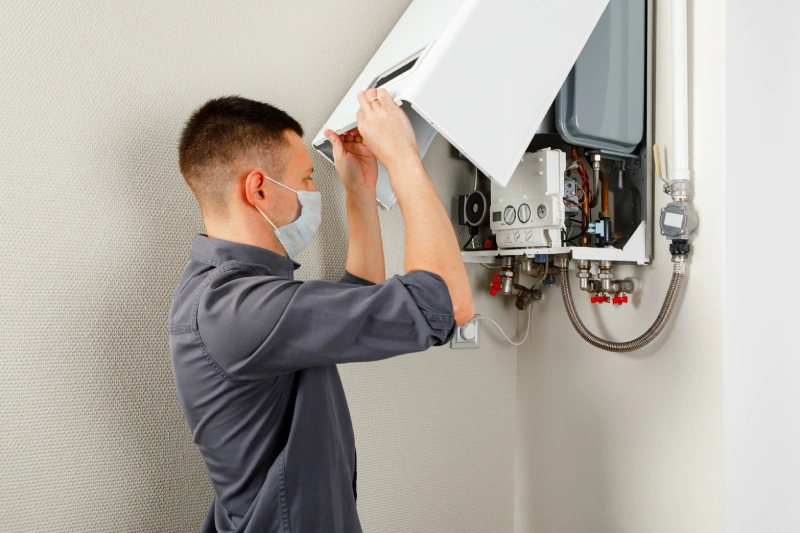
Before arranging a gas boiler installation in Warrington, it is worth looking at the wider heating system, your household’s needs and exactly what is included in the proposed work. A new boiler is only one part of the system, so checking these areas beforehand can help you make a more informed decision.
Why are you replacing the existing boiler?
The first question is what has prompted the upgrade.
Some homeowners replace a boiler because it has completely failed. Others begin considering an upgrade because breakdowns are becoming more frequent, repairs are increasing, or the appliance no longer performs as reliably as it once did.
Common reasons include:
- Repeated boiler faults
- Increasing repair bills
- Poor or inconsistent heating
- Unreliable hot water
- An ageing appliance
- Difficulty sourcing replacement parts
- Changes to the size or use of the property
- Wanting improved heating controls
Understanding the reason behind the replacement helps an installer determine whether a straightforward boiler change is suitable or whether other parts of the heating system should also be reviewed.
What condition is the rest of your heating system in?
A new boiler will still be connected to much of the existing heating system, including pipework and radiators. That makes the condition of those components important.
An installer may look for signs such as:
- Radiators with cold areas
- Noisy circulation
- Visible corrosion
- Old or damaged controls
- Leaking valves
- Poor heating performance in certain rooms
- Evidence of contamination within the system
If the heating circuit needs attention, dealing with it during the boiler upgrade can make more sense than ignoring an existing issue.
This does not mean every boiler replacement requires major changes. The purpose of the assessment is to identify what is actually needed before work begins.
Is your current boiler still the right type for your home?
Replacing like for like can be convenient, but it should not be automatic.
A boiler that suited the property many years ago may not suit it today. An extension may have added more radiators, an extra bathroom may have increased hot water demand, or fewer people may now live in the property.
The installer should therefore consider:
|
Area to review |
Why it matters |
|
Property size |
Influences the home’s overall heating requirement |
|
Number of radiators |
Helps determine suitable heating output |
|
Bathrooms |
Affects hot water requirements |
|
Household size |
Changes how much hot water is typically required |
|
Existing system type |
Can affect the amount of alteration required |
|
Future plans |
Extensions or additional bathrooms may change demand |
A professional gas boiler installation in Warrington should be based on the property as it is now, rather than simply copying the specification of an older appliance.
What should be included in the installation quote?
A clear quote should allow you to understand what you are paying for before accepting the work.
The boiler itself may be the largest individual item, but boiler installation costs can also be influenced by the condition and layout of the existing system.
Ask whether the quotation includes:
- The new boiler
- Standard installation labour
- Removal of the old appliance
- Heating controls
- Any required system cleaning
- Filters or system protection where recommended
- Flue components
- Condensate work
- Necessary pipework alterations
- Commissioning of the new appliance
- Warranty registration where applicable
- Disposal of installation waste
If something is not clear, ask before booking. Two quotations can appear very different in price simply because they include different levels of work.
Are your heating controls still suitable?
The boiler is only one part of controlling how your home is heated.
Older systems may have relatively basic controls, while newer options can provide greater control over when and how heating operates.
Depending on the system, homeowners may want to discuss:
- Programmable heating schedules
- Room thermostats
- Smart heating controls
- Thermostatic radiator valves
- Separate heating zones where appropriate
The most sophisticated controls are not automatically necessary for every household. What matters is having controls that are practical and easy to use.
If you currently find your heating difficult to manage, the boiler replacement is a sensible time to discuss this with the installer.
Could the boiler location affect the upgrade?
Yes. Keeping a replacement boiler in the same suitable position can sometimes make an installation more straightforward.
Moving it elsewhere may require additional pipework, alterations to the flue route or changes to condensate drainage.
There can be perfectly valid reasons for moving a boiler. You might be renovating a kitchen, creating additional storage space or changing the layout of the property.
However, moving the appliance can add complexity and may affect boiler installation costs, so it should be discussed during the survey rather than after the quotation has been agreed.
Let’s get started, Which fuel powers your boiler?
Mains Gas
LPG
Other
It just takes 60 Seconds
And then you can book a free consultation
What should you check about the installer?
Price is important, but it should not be the only consideration.
Gas boiler work requires appropriate technical competence, so homeowners should use a properly qualified Gas Safe registered professional for work involving a gas appliance.
It is also worth checking:
- What warranty is offered on the boiler
- Whether workmanship is covered separately
- What happens if there is a problem after installation
- Whether the quotation is itemised clearly
- Whether the installer has assessed the property properly
- How long the work is expected to take
- What preparation the homeowner needs to make
A good installer should also be able to explain why a particular boiler or system arrangement has been recommended.
Should you automatically choose the cheapest boiler?
Not necessarily.
There is nothing wrong with looking for value, but comparing boiler options purely by purchase price can overlook important differences.
Consider the wider package, including:
- Suitability for the property
- Manufacturer warranty
- Availability of servicing and parts
- Heating and hot water performance
- Controls included
- Work included within the quote
- Installer aftercare
An expensive boiler that is poorly matched to the property is not automatically a better choice. Equally, a low initial quote may become less attractive if important installation work has been excluded.
The objective should be to understand the full proposal rather than choosing from one headline figure.
What happens on the day of installation?
The exact work depends on the property and the type of replacement being completed.
For a relatively straightforward replacement, the installer will typically need access to the existing boiler, heating controls and other relevant parts of the system.
There may be a period when heating and hot water are unavailable while work is underway.
Before the installer leaves, you should understand:
- How to operate the boiler
- How to use the controls
- What normal system pressure should look like
- What paperwork is provided
- What warranty applies
- Who to contact if there is a problem
For anyone arranging a gas boiler installation in Warrington, these final explanations are an important part of the process. A new heating system should not leave you unsure about how to use it.
Check the whole installation, not just the new boiler
A boiler upgrade is an opportunity to review how well your entire heating system suits the home. The appliance, controls, radiators, pipework, hot water requirements and installation work all contribute to the final result.
Taking time to understand what is being recommended can make it much easier to compare quotes and avoid choosing a boiler based only on brand, output or price.
Related articles


Let’s get started, Which fuel powers your boiler?
Mains Gas
LPG
Other
At a glance
However, choosing a new appliance should not begin and end with finding a newer version of the boiler already on the wall.
Before arranging a gas boiler installation in Warrington, it is worth looking at the wider heating system, your household’s needs and exactly what is included in the proposed work. A new boiler is only one part of the system, so checking these areas beforehand can help you make a more informed decision.
Why are you replacing the existing boiler?
The first question is what has prompted the upgrade.
Some homeowners replace a boiler because it has completely failed. Others begin considering an upgrade because breakdowns are becoming more frequent, repairs are increasing, or the appliance no longer performs as reliably as it once did.
Common reasons include:
- Repeated boiler faults
- Increasing repair bills
- Poor or inconsistent heating
- Unreliable hot water
- An ageing appliance
- Difficulty sourcing replacement parts
- Changes to the size or use of the property
- Wanting improved heating controls
Understanding the reason behind the replacement helps an installer determine whether a straightforward boiler change is suitable or whether other parts of the heating system should also be reviewed.
What condition is the rest of your heating system in?
A new boiler will still be connected to much of the existing heating system, including pipework and radiators. That makes the condition of those components important.
An installer may look for signs such as:
- Radiators with cold areas
- Noisy circulation
- Visible corrosion
- Old or damaged controls
- Leaking valves
- Poor heating performance in certain rooms
- Evidence of contamination within the system
If the heating circuit needs attention, dealing with it during the boiler upgrade can make more sense than ignoring an existing issue.
This does not mean every boiler replacement requires major changes. The purpose of the assessment is to identify what is actually needed before work begins.
Is your current boiler still the right type for your home?
Replacing like for like can be convenient, but it should not be automatic.
A boiler that suited the property many years ago may not suit it today. An extension may have added more radiators, an extra bathroom may have increased hot water demand, or fewer people may now live in the property.
The installer should therefore consider:
|
Area to review |
Why it matters |
|
Property size |
Influences the home’s overall heating requirement |
|
Number of radiators |
Helps determine suitable heating output |
|
Bathrooms |
Affects hot water requirements |
|
Household size |
Changes how much hot water is typically required |
|
Existing system type |
Can affect the amount of alteration required |
|
Future plans |
Extensions or additional bathrooms may change demand |
A professional gas boiler installation in Warrington should be based on the property as it is now, rather than simply copying the specification of an older appliance.
What should be included in the installation quote?
A clear quote should allow you to understand what you are paying for before accepting the work.
The boiler itself may be the largest individual item, but boiler installation costs can also be influenced by the condition and layout of the existing system.
Ask whether the quotation includes:
- The new boiler
- Standard installation labour
- Removal of the old appliance
- Heating controls
- Any required system cleaning
- Filters or system protection where recommended
- Flue components
- Condensate work
- Necessary pipework alterations
- Commissioning of the new appliance
- Warranty registration where applicable
- Disposal of installation waste
If something is not clear, ask before booking. Two quotations can appear very different in price simply because they include different levels of work.
Are your heating controls still suitable?
The boiler is only one part of controlling how your home is heated.
Older systems may have relatively basic controls, while newer options can provide greater control over when and how heating operates.
Depending on the system, homeowners may want to discuss:
- Programmable heating schedules
- Room thermostats
- Smart heating controls
- Thermostatic radiator valves
- Separate heating zones where appropriate
The most sophisticated controls are not automatically necessary for every household. What matters is having controls that are practical and easy to use.
If you currently find your heating difficult to manage, the boiler replacement is a sensible time to discuss this with the installer.
Could the boiler location affect the upgrade?
Yes. Keeping a replacement boiler in the same suitable position can sometimes make an installation more straightforward.
Moving it elsewhere may require additional pipework, alterations to the flue route or changes to condensate drainage.
There can be perfectly valid reasons for moving a boiler. You might be renovating a kitchen, creating additional storage space or changing the layout of the property.
However, moving the appliance can add complexity and may affect boiler installation costs, so it should be discussed during the survey rather than after the quotation has been agreed.
Let’s get started, Which fuel powers your boiler?
Mains Gas
LPG
Other
It just takes 60 Seconds
And then you can book a free consultation
What should you check about the installer?
Price is important, but it should not be the only consideration.
Gas boiler work requires appropriate technical competence, so homeowners should use a properly qualified Gas Safe registered professional for work involving a gas appliance.
It is also worth checking:
- What warranty is offered on the boiler
- Whether workmanship is covered separately
- What happens if there is a problem after installation
- Whether the quotation is itemised clearly
- Whether the installer has assessed the property properly
- How long the work is expected to take
- What preparation the homeowner needs to make
A good installer should also be able to explain why a particular boiler or system arrangement has been recommended.
Should you automatically choose the cheapest boiler?
Not necessarily.
There is nothing wrong with looking for value, but comparing boiler options purely by purchase price can overlook important differences.
Consider the wider package, including:
- Suitability for the property
- Manufacturer warranty
- Availability of servicing and parts
- Heating and hot water performance
- Controls included
- Work included within the quote
- Installer aftercare
An expensive boiler that is poorly matched to the property is not automatically a better choice. Equally, a low initial quote may become less attractive if important installation work has been excluded.
The objective should be to understand the full proposal rather than choosing from one headline figure.
What happens on the day of installation?
The exact work depends on the property and the type of replacement being completed.
For a relatively straightforward replacement, the installer will typically need access to the existing boiler, heating controls and other relevant parts of the system.
There may be a period when heating and hot water are unavailable while work is underway.
Before the installer leaves, you should understand:
- How to operate the boiler
- How to use the controls
- What normal system pressure should look like
- What paperwork is provided
- What warranty applies
- Who to contact if there is a problem
For anyone arranging a gas boiler installation in Warrington, these final explanations are an important part of the process. A new heating system should not leave you unsure about how to use it.
Check the whole installation, not just the new boiler
A boiler upgrade is an opportunity to review how well your entire heating system suits the home. The appliance, controls, radiators, pipework, hot water requirements and installation work all contribute to the final result.
Taking time to understand what is being recommended can make it much easier to compare quotes and avoid choosing a boiler based only on brand, output or price.


